心肾代谢时讯

【SCOPE大师班】世界肥胖联盟核心专家Georgia Rigas教授:以科学管理弥合认知鸿沟

0 0


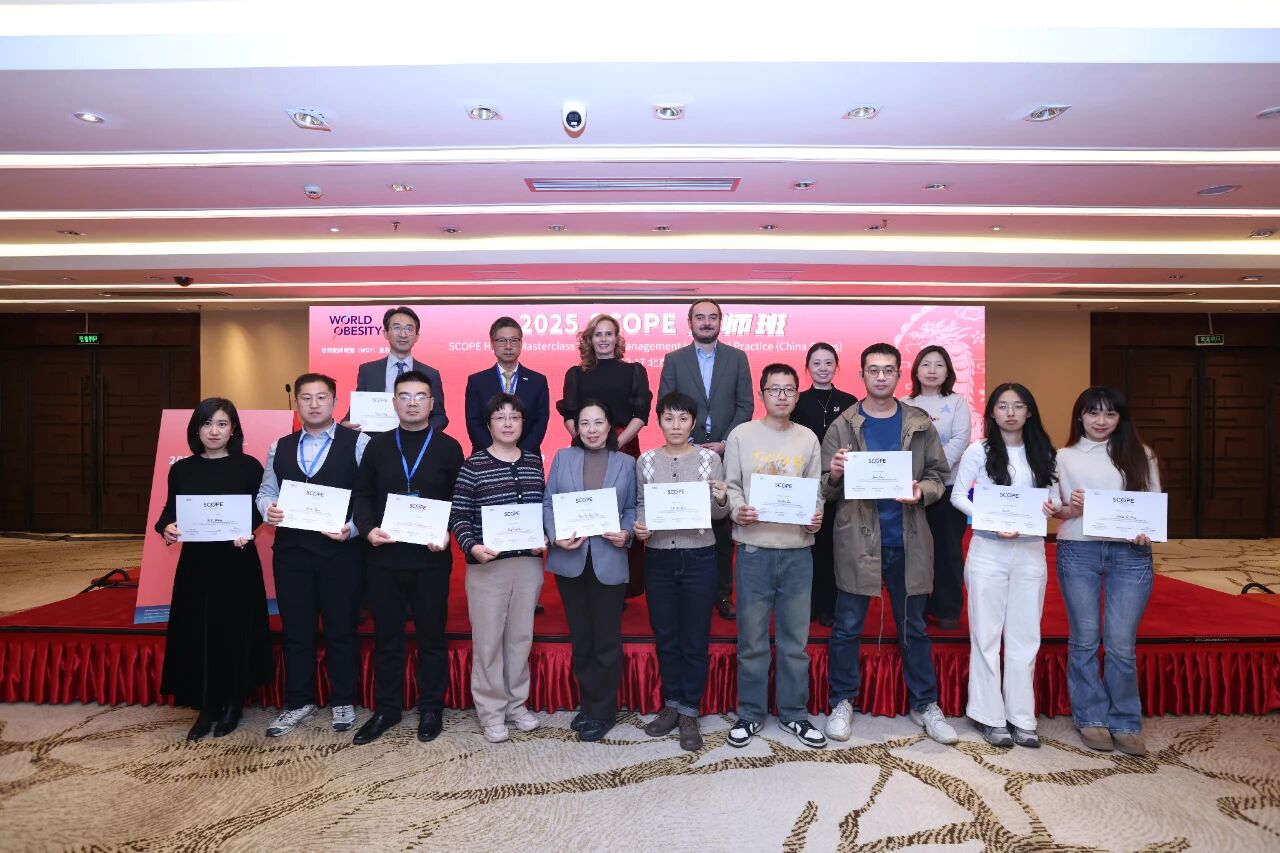
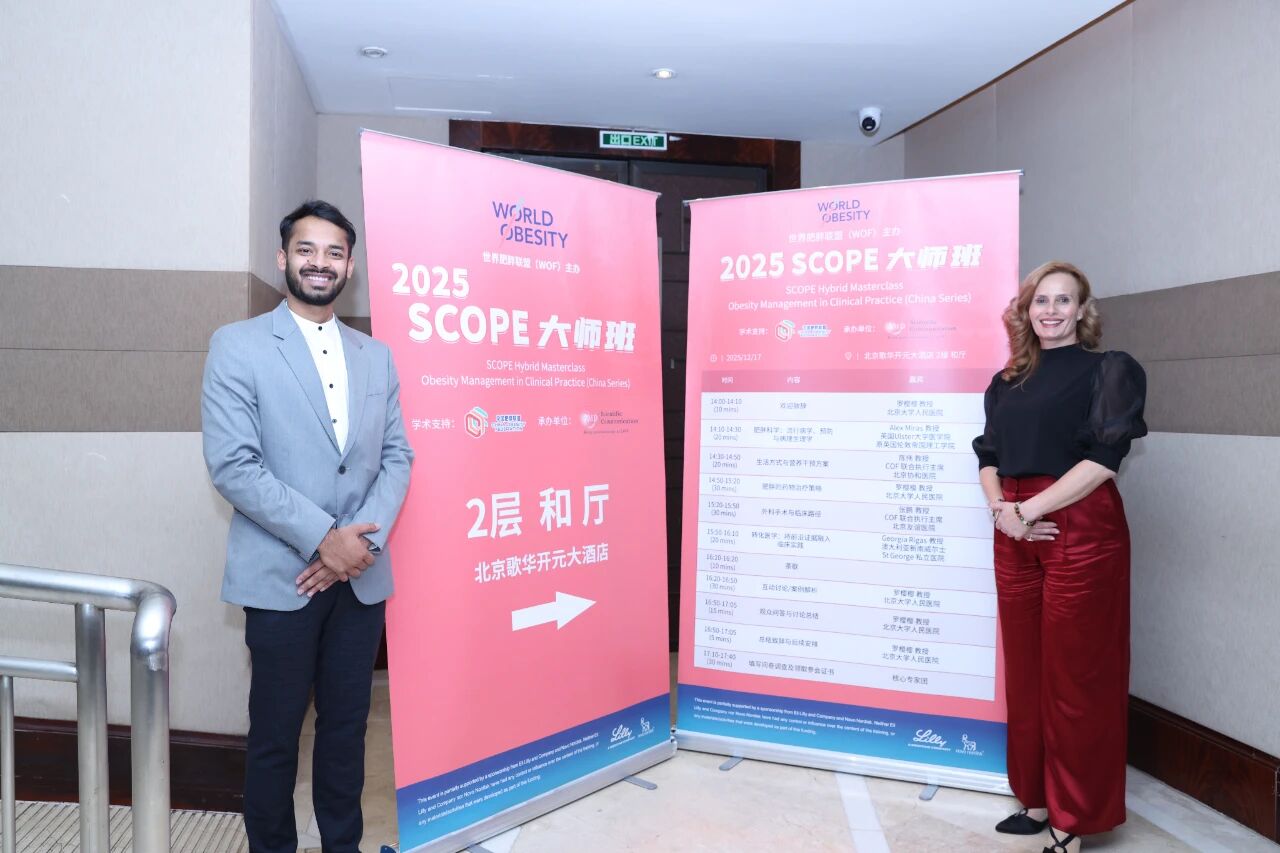
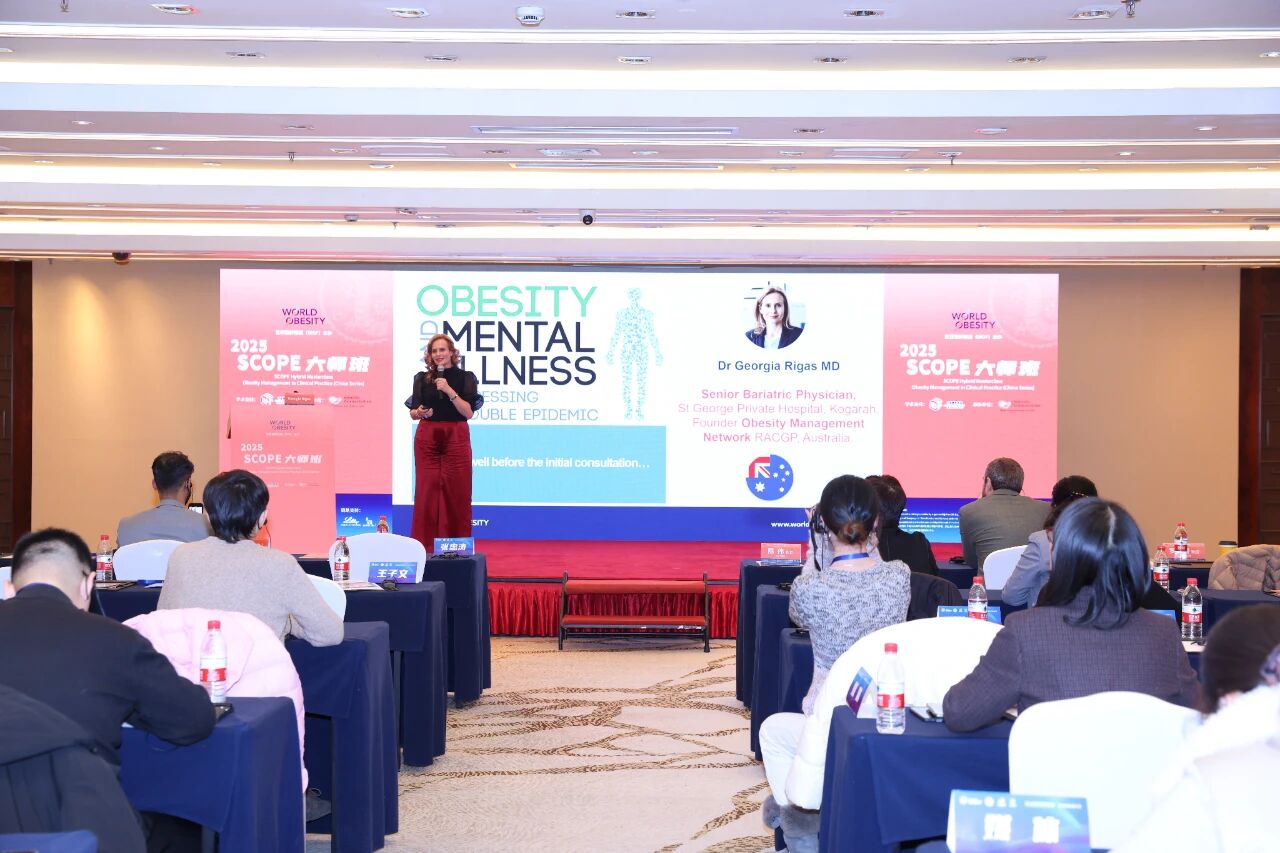
编者按:为应对肥胖这一全球性健康挑战,推动其诊疗向科学化、标准化发展,世界肥胖联盟设立了SCOPE(肥胖专业教育战略中心)这一国际化专业教育项目。自2003年启动以来,SCOPE通过线上学习模块、全球巡回举办的SCOPE学校以及严格的学分与考试体系,为全球医疗健康从业者提供系统化、循证化的肥胖预防与临床管理培训,旨在提升医务人员的专业能力,并通过认证机制培养国际认可的肥胖管理专业人才。


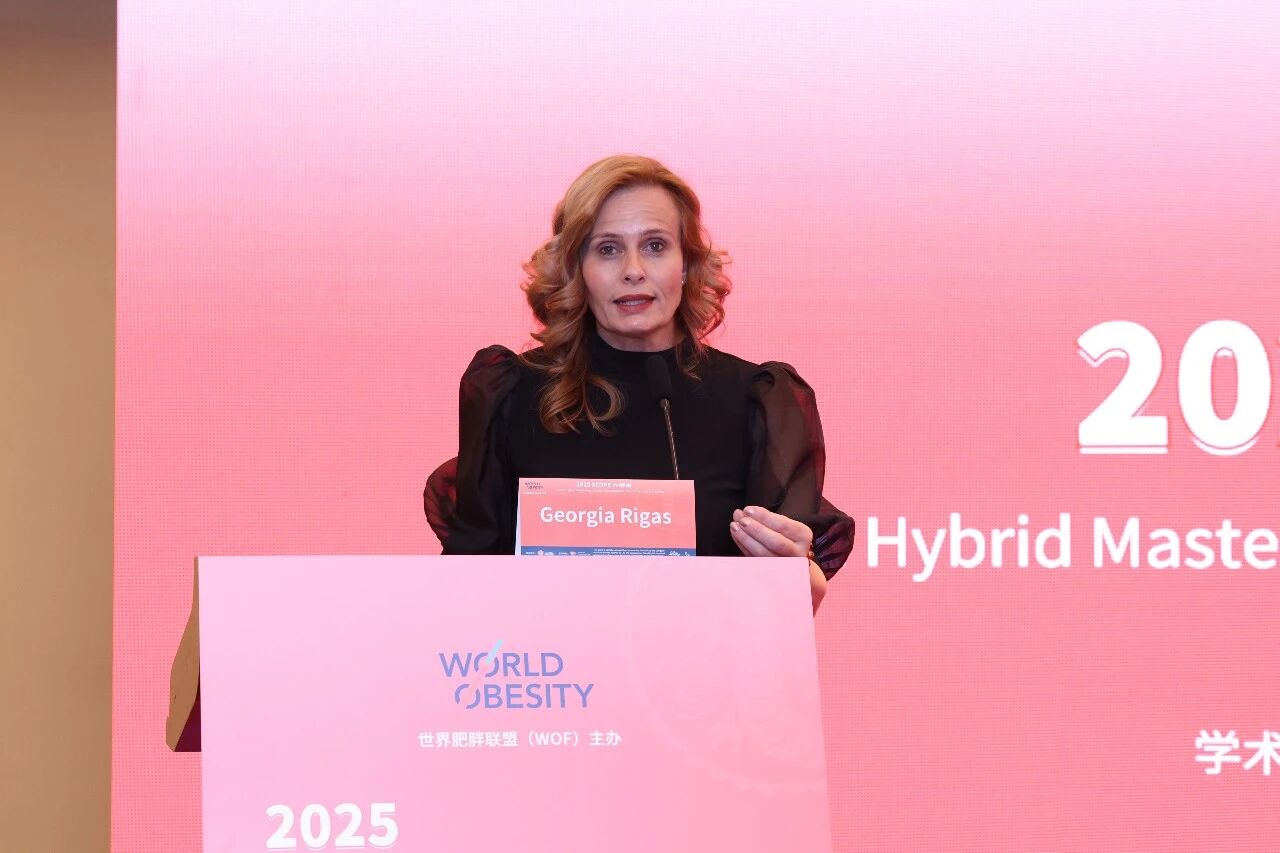
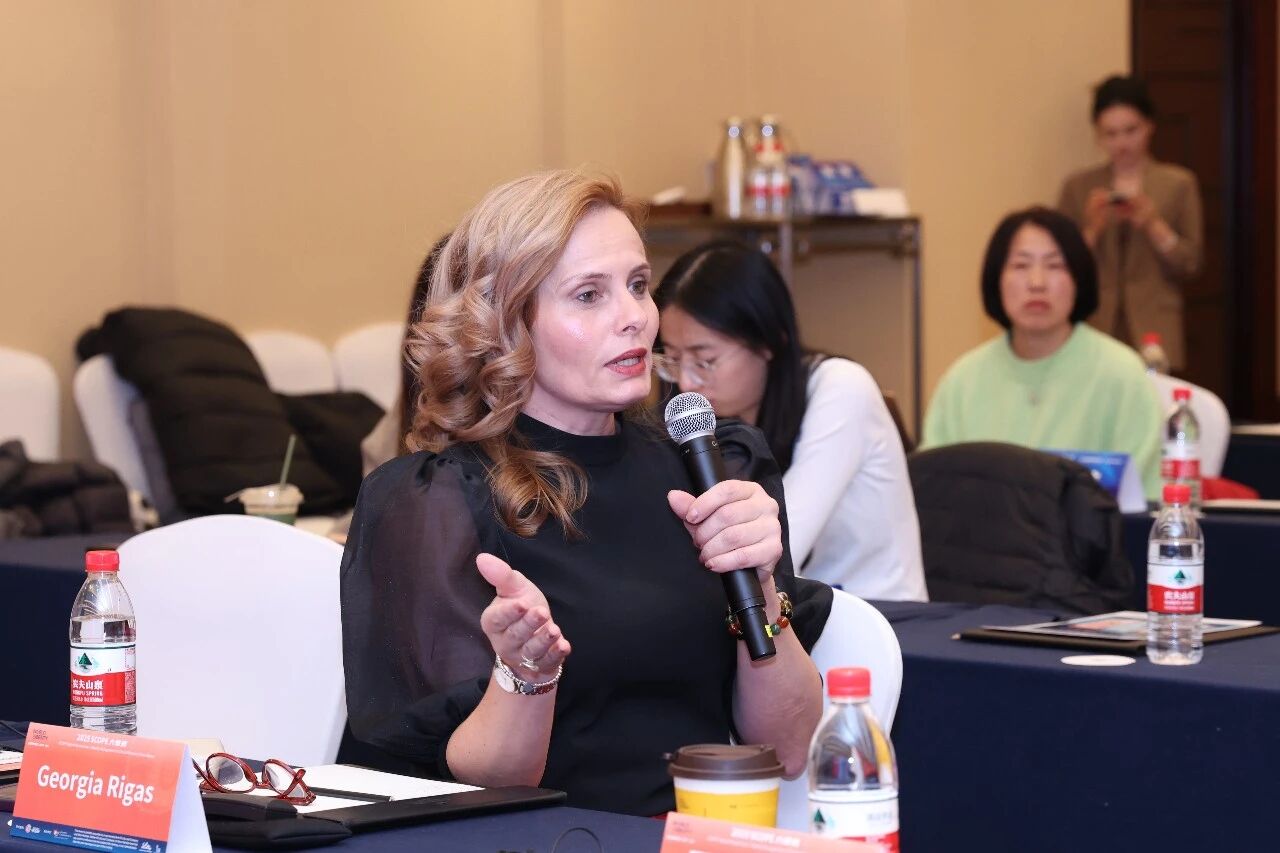
2025年12月,SCOPE大师班在京举行。我们特邀SCOPE大师班国际嘉宾,来自澳大利亚St George Private医院的Georgia Rigas教授进行深度访谈。Rigas教授的研究曾揭示,澳大利亚肥胖患者平均在体重问题出现近9年后才首次寻求医疗帮助,这一数据清晰反映出社会层面对肥胖疾病属性的认知仍严重不足。


在本次交流中,Rigas教授立足于其丰富的临床实践,系统阐述了当前肥胖管理领域的几个关键议题:医患之间的认知差异与转变路径、基于循证医学的个体化评估工具如何落地应用、在资源限制与患者期望之间寻求平衡的现实策略等。她的见解不仅为临床工作者提供了具操作性的参考,也为推动公众认知与健康政策的进步带来了重要启发。


《心肾代谢时讯》

Q1

Rigas教授,您的团队研究曾指出肥胖患者存在显著的就医延迟。您是如何看待当前肥胖患者在寻求帮助方面,以及对肥胖认知上的变化?


Rigas教授:


我们发表于2022年的研究确实显示,澳大利亚肥胖患者(BMI ≥ 30)从首次意识到体重问题到主动寻求专业医疗帮助,平均间隔长达8.9年。这一现象背后存在多重原因:当时在新冠疫情之前,每周一次给药的GLP-1受体激动剂尚未普及,临床主要依靠第一代减重药物结合生活方式干预,平均减重效果约为起始体重的8%~10%;更关键的是,公众普遍缺乏对肥胖作为慢性疾病的科学认知,社会层面也缺乏系统性宣传,未能将肥胖明确定义为需要医学干预的疾病,而更多人将其视为个人行为选择。


真正的转变发生在近五年。随着长效GLP-1受体激动剂等创新疗法问世,我们观察到越来越多的肥胖患者主动前来门诊,询问自己是否符合用药条件、能否接受规范治疗。作为一名临床医生,我对这一变化深感鼓舞——它不仅意味着治疗手段的进步,更反映出患者健康意识的觉醒和就医行为的积极转变。这也为我们提供了重要的窗口,得以开展更有针对性的评估、教育和长期管理。


总体而言,这一认知与行为变化是多方推动的结果:既包括对医疗从业者的继续教育,也离不开面向公众的健康科普,同时还涉及医疗系统能力的提升,例如配备适宜的诊疗设备、完善肥胖管理路径,从而为患者提供可及、有效、全周期的照护支持。


(上下滑动可查看原文)

Prof. Rigas:


Yes, I was the lead author of the ACTION-Australia publication, which I should emphasize so we can put it into context, was conducted before the COVID-19 pandemic. At that point in time, we only had the earlier, 1st generation obesity management medications [OMMs] and at the other end of the therapeutic spectrum was metabolic bariatric surgery [MBS].


That study found that PwO were trying an average of 5 serious weight loss attempts with “lifestyle [LS] alone” interventions during the years leading up to that initial consultation with a HCP. This confirms what HCPs like myself hear in clinical practice: the majority of PwO are very motivated and proactively trying to manage their disease, albeit on their own. The same study also highlighted that most PwO blamed themselves for their disease and had past experiences of weight stigma by HCPs, providing some insights as to why they felt they should be able to “manage their weight” on their own.


There are many medical publications which have shown similar findings: that the majority of PwO report having felt stigmatized by HCPs and the wider community. As a result of this, such individuals are less likely to participate in preventative health screening initiatives and consequently present late, with more advanced disease.


Over the past two decades, significant changes have occurred on numerous fronts. First and foremost, our medical scientific understanding of obesity and the strong genetic determinants has expanded, as have the development of more effective therapies for HCPs like myself to choose from when managing PwO.


Secondly, and I am old enough to remember this, discriminating and shaming someone based on their body size was somehow “socially acceptable”. This is no longer the case. Infact, with the guidance and support of World Obesity Federation and other key stakeholders, there have been numerous public health awarenesscampaigns encouraging a change in the narrative by recognizing obesity as a disease and not a lifestyle choice. Such campaogns are also raising awareness in the community and encouraging PwO to have that initial conversation with their HCP. In recent times, PwO it appears seems more comfortable telling their friends/ family that they are on obesity management therapy, something which 20 years ago was unheard of, seemingly because of the stigmatizing, unsubstantiated belief, that the PwO is “cheating or taking the easy way out” by accepting treatment.


The proactive education of HCPs – in particular SCOPE accreditation has ensured that HCPs are well trained and regularly upskilled in managing PwO with the care and compassion they need and deserve. Concurrently, all forms of media and seemingly social media, has also played a role in raising awareness and encouraging PwO to have that initial conversation. International and National educational institutions, healthcare institutions/ bodies and patient advocacy organisations collectively continue to educate broader society about the science of obesity and the need to change the narrative.


Finally, pre-COVID, we only had the first-generation obesity management medications, which—when combined with lifestyle intervention—could help patients lose on average 8–10% of their starting weight, leading to meaningful health improvements.


However, the OMM landscape has shifted notably in the last five years with the regulatory approval of the newer, once- weekly subcutaneous GLP-1 receptor agonists based therapies for numerous multi-organ health gain benefits beyond weight loss alone. As a HCP, having a variety of effective, evidence-based therapies to choose from is very important and helpful. This marked a pivotal shift in obesity management, taking a more proactive approach rather than the traditional reactive approach.


Changing Attitudes: Proactive Engagement and Early Intervention


As you observed, there has been a noticeable shift, with more people living with obesity now proactively seeking medical advice and specifically inquiring about new medications. From a clinical perspective, this is an encouraging development. It aligns closely with the Australian Government's National Obesity Strategy, introduced in March 2023, which emphasizes earlier intervention in the progression of obesity.


It is important to acknowledge that not every person with obesity will want or require additional therapies, nor will every patient necessarily meet the eligibility criteria for such interventions. However, when patients take the initiative to seek advice and discuss these options, it opens a valuable dialogue. This consultative process enables healthcare professionals to assess each individual's suitability for different treatment approaches and provide tailored recommendations.


This positive change can be attributed to multiple factors, including ongoing education efforts directed at both healthcare professionals and the broader community. Increased awareness and understanding have empowered people with obesity to feel more comfortable seeking help and considering a wider range of therapeutic options.


图片


《心肾代谢时讯》

Q2

您参与了澳大利亚肥胖管理路径的制定,这是一个旨在简化临床决策的工具。它的核心价值是什么?


Rigas教授:


该路径整合了当前最佳循证医学证据,并使用“Edmonton肥胖分期系统”来给患者进行分层。这一工具可协助临床工作者系统地评估患者的状况。所有肥胖患者在评估后进入有两类管理路径:


  • 一是适用于初级保健的场景,涵盖生活方式干预,包括低热量饮食、运动及药物治疗等基础方案;


  • 二是针对疾病分期较高(如Edmonton分期≥3级)、伴有复杂共病、或对常规治疗应答不佳的患者,需启动快速转诊机制至专科诊疗单元,并评估包括代谢手术在内的强化干预指征。


这一路径不仅提供了一个有效的工具,更确立一个临床理念:肥胖管理不应仅局限于对体重指数(BMI)的评估,而应全面审视患者的整体健康状况、共病情况,尤其需要关注危害性更高的内脏脂肪蓄积程度。该路径已被提炼为一页纸的临床决策流程图,旨在帮助医生快速、规范地作出循证医学决策。


为确保该路径始终与最新科学进展同步,我们建立了动态更新机制,约每1~2年依据新出现的疗法与证据对其进行系统性评估与修订,从而保持其在临床实践中的时效性与指导价值。

(上下滑动可查看原文)


Prof. Rigas


The Australian Obesity Management Algorithm: Structure and Clinical Application


The Australian Obesity Management Algorithm integrates the latest medical and scientific evidence with a practical approach to patient care. Central to its framework is the Edmonton Obesity Staging System (EOSS), which is used to assess and stratify the severity of a patient's obesity-related health risks. By applying this system, clinicians can determine the most appropriate care pathway for each individual patient.


Patients with less complex or early-stage disease can often be managed effectively within primary care settings. These individuals, often require lifestyle optimization and add-on therapies according to their clinical profile and their response to previous therapies.


The algorithm also provides guidance for identifying patients who require specialist care such as those with advanced disease [high EOSS score], significant complexity [multi-organ multi-morbidity], and/or those who do not respond to previous therapeutic interventions are clearly indicated for referral to specialized units. This ensures that all patients receive care tailored to their individual healthcare needs, and that those with the greatest health risks can be directed to services which provide higher-level interventions and support.


The Role and Structure of the Australian Obesity Management Algorithm


Referral Criteria and Stratification Beyond BMI


Patients who present at Edmonton Obesity Staging System (EOSS) stage 3 or higher require timely referral to a specialist unit. The Australian Obesity Management Algorithm advances beyond the use of BMI as a sole metric, incorporating disease severity, related complications, and specific risk factors such as visceral adiposity, which is associated with considerable health risks. This comprehensive approach has established the algorithm as a practical clinical resource.


Practical Guidance: The Flowchart for Clinical Decision-Making


Although the full guidance document is detailed and thoroughly referenced, a concise and user-friendly single-page flowchart was developed for clinicians. Originally published as a paper, the content was condensed into this flowchart for ease of use. It enables healthcare providers to rapidly identify a patient’s stage and select appropriate, evidence-based interventions. These interventions usually include lifestyle optimization and add-on therapies such as: very-low-energy ?meal replacement diets [VLEDs], obesity management medications [OMMs], and/or referral for advanced therapies, including metabolic bariatric surgery [MBS] and possibly a combination of treatment modalities.


Adaptability and Ongoing Revision


The document is both practical and firmly grounded in evidence, while remaining adaptable to evolving scientific knowledge. The intention is to revise the algorithm every one to two years, ensuring it reflects advances in science and newly approved therapies. As new treatments become available and understanding of obesity deepens, this approach ensures that clinical guidance remains current, relevant, and fluid for practitioners.


《心肾代谢时讯》

Q3

在现实世界中,基于证据的治疗策略常与患者的过高期望或医疗资源限制产生冲突。 如何平衡疗效、患者预期和医疗可及性?


Rigas教授:


平衡疗效、患者预期和医疗可及性确实是一个多维度的问题,涉及临床、心理与社会经济等多个层面。


首先,最根本的挑战在于治疗的可及性与公平性。在澳大利亚,目前所有肥胖治疗药物均未被纳入政府补贴范围,患者必须完全自费。这给肥胖的治疗带了明显的障碍,因为临床观察与数据均显示,疾病负担最重、最迫切需要治疗的患者,往往来自社会经济地位较低的群体,支付能力有限。因此,我一直在积极参与公共倡导,呼吁政策制定者关注这一健康不平等问题,推动将基于循证医学的肥胖治疗纳入公共医疗保障体系。


其次,是患者期望的管理与对齐。我们开展的ACTION研究表明,患者的个人减重期望、医学上可实现的减重幅度以及改善其特定健康状况所需的减重目标,三者之间常常存在显著差距。为弥合这一认知鸿沟,我在临床中建立了一套结构化的沟通工具。


具体而言,我会在诊间使用一张可视化幻灯片,其中清晰列出不同减重幅度区间(例如5%、5~10%、10~15%等)及其对应可显著改善的并发症(如2型糖尿病、高血压、睡眠呼吸暂停等)。我首先会邀请患者阐述他们的健康目标与心目中理想的减重数值,随后引导他们在图表中定位其自身所患的疾病及健康目标所需的减重数值。例如,若患者合并2型糖尿病,循证证据表明,减重10~15%可带来血糖、胰岛素抵抗等方面的实质性改善。由此,我们便能基于客观证据共同设定一个科学、个性化的治疗目标。


这一过程有效地将外部证据转化为医患同盟的共识基础,治疗目标不再由医生单方面设定。它不仅帮助管理患者的预期,更将治疗的焦点从单纯的减重数字转向以健康结局为导向、注重减重质量(如减少内脏脂肪、维持瘦体重) 的长期管理路径,从而提升治疗依从性与可持续性。


(上下滑动可查看原文)


Prof. Rigas:


Barriers to Access and Managing Patient Expectations in Obesity Treatment


Financial Barriers to Obesity Treatment


In Australia, patients seeking obesity management medication face a significant access barrier as not a single obesity medication is subsidized by the government. Furthermore, less than 5% of potentially eligible PwO access metabolic bariatric surgery. Consequently, PwO must self-fund these treatments, which creates a substantial obstacle for many. This challenge is particularly acute for those living with higher BMI and EOSS scores, who are often the sickest, more medically complex to manage and often come from lower socioeconomic backgrounds. Ironically, those most in need of advanced therapies—whether OMMs or MBS—are the least able to afford them. Addressing this inequity remains a priority, and ongoing advocacy focuses on encouraging government policy review to improve access for these vulnerable populations.


Addressing Unrealistic Weight-Loss Expectations


Beyond the issue of access, many patients present with unrealistic expectations regarding weight loss. Insights from the Australian ACTION study have revealed a disconnect between patient goals, what is clinically achievable, and the amount of “weight loss” actually necessary to improve specific health conditions. To address this gap, a structured approach is utilized during patient consultations.


The process begins with a thorough review of the patient’s medical, mental health, and metabolic history, which is then summarized within the EOSS framework. Patients are asked about their motivation for weight loss, with the most common response being a desire "to be healthier." This is further explored by asking what "being healthier" means to that particular individual, recognizing that answers vary widely. Next, patients are asked how much weight they believe they need to lose to achieve their health goals. If their expectations are unrealistic, a gentle discussion follows to explore the origins of these beliefs, which may stem from healthcare professionals or social media.


Setting Evidence-Based, Shared Goals


To guide patients toward realistic and clinically meaningful goals, a visual slide is presented that organizes weight-loss percentages into columns (5–10%, 10-15%, 15-20%, >20% “total weight loss”) and lists the comorbidities that tend to improve within each range. Together, the patient and clinician identify which category best relates to the patient’s individual health conditions. For example, meaningful improvement in type 2 diabetes management typically requires a minimum of 10–15% weight loss, which then becomes the shared, evidence-based target. Throughout this process, it is emphasized that the data serves as an impartial guide, shifting the focus toward health improvement and ensuring that weight loss is of “quality”—primarily by reducing visceral adiposity (referred to by the media as “belly fat”, while preserving fat-free mass namely muscle, and bone health.


《心肾代谢时讯》

Q4

肥胖管理涉及多学科团队。如何协调不同专业的医务人员,为患者提供持续支持?


Rigas教授:


这个问题也恰好与之前讨论的“如何有效利用有限的咨询时间”密切相关。我们之前曾发表文章指出,肥胖作为一种复杂的慢性疾病,并不需要在单次诊疗中解决所有问题。


在实际工作中,我经常采用一种名为“共同绘制临床路线图”的方法。具体而言,我会与患者一起创建一张可视化的思维导图:将患者姓名置于中心,周围系统地列出所有不同纬度需要关注的问题——包括医学问题(如血糖、血压)、心理健康状况、行为习惯、社会支持等。随后,我会邀请患者使用不同颜色的笔,标出其中对他们当下生活质量和健康感知影响最大的一到两个核心问题。


这个“共同设定优先顺序”的过程具有关键意义。有时患者的首选问题与临床评估重点一致,有时则反映其个性化的诉求与体验。无论一致与否,这个过程本身已建立起协作的基础。基于此,我们会共同商定一个分阶段实施的计划:在接下来的数周至数月内,集中资源与精力优先突破已达成共识的核心问题,同时将其它方面纳入长期管理的议程中逐步推进。这实际上为患者提供了一份清晰的慢性病管理路线图,帮助他们理解肥胖管理是一个需要持续调整、动态优化的漫长旅程,而非一次性的治疗冲刺。


通过这种方式,患者不仅感受到被倾听与尊重,也能在专业引导下,以结构化的方式参与到自身健康管理中。这种以患者为中心、分阶段推进的策略,在提升治疗依从性、改善医患协作以及实现长期健康目标方面,被证明是行之有效的实践模式。


(上下滑动可查看原文)


Prof. Rigas:


You are correct, however whilst a standard GP consultation lasts approximately15 minutes, there are provisions to schedule longer appointments where necessary- especially for PwO whose health profile appears complex with multi-morbidity and/or multi-organ pathology. Prior to an initial new patient appointment with myself, I review the referral letter and the patient’s responses to screening questionnaires and other required information, to ensure adequate time is allocatedfor initial visits.


Personally, a few senior Australian GP colleagues and I published an article [Forgione N et al (2018)] for primary care doctors, explaining that a HCP is not required to address in detail every component of care at the initial consultation, and that a piece-meal approach is preferred. Personally, I usually draw a mind map with the patient, placing their name in the center and surrounding it with identified health issues. I then ask the PwO to prioritize the most important health issue for them at that particular point in time. This allows for a patient centric approach to patient care. We may start with one or two focus areas, and address the others over the ensuing weeks - months. Firstly, this approach empowers the pate=ient whilst concurrently reaffirming to them that they have been listended to, and that their journey thus far has been acknowledged. Secondly, it provides a clear roadmap – a sense of direction for the PwO, reemphasizing that obesity is a chronic condition requiring ?long-term management. Personally, this strategy has proven highly effective for my patients with complex multi-morbidity and/or multi-organ system involvement.


Multidisciplinary Coordination for Continuity of Care


Coordinated Multidisciplinary Care in Obesity Management


Effective management of obesity hinges on the coordinated involvement of multiple healthcare professionals (HCPs). This team-based approach typically includes, but is not limited to, dietitians, exercise activists, psychologists, single-organ specialists such as cardiologists or hepatologists, and bariatric surgical teams. Each professional brings unique expertise to address the complex needs of people with obesity [PwO] throughout their care journey.


The primary responsibility for managing most PwO rests with their usual general practitioner (GP). The GP serves as the central coordinator, overseeing the patient’s overall health and aligning treatment strategies among the various HCPs involved. Only when more intensive therapies are required—such as specialist obesity management or bariatric surgery—should the GP refer the patient to such intensive service providers. Following such intensive interventions, the patient should ideally be transitioned back to their GP’s care through a “shared care” model. This model mirrors approaches used for other chronic diseases, such as type 2 diabetes and cardiovascular disease, ensuring continuity and consistency in long-term management.


Obesity is recognized as a chronic, progressive disease. As such, PwO will likely require support from different HCPs at various stages of their life journey. The GP, in their role as care provider and care coordinator, is best positioned to ensure that the patient receives the right treatment and support from the appropriate professionals at the right time. By aligning key health goals and facilitating communication among the multidisciplinary team, the GP helps to optimize outcomes and provide comprehensive, patient-centered care.


采访后记


与Rigas教授的对话清晰揭示,现代肥胖管理正朝着更精准、更循证、更以患者为中心的方向演进。其核心在于,通过科学的工具(如分期系统、管理路径)和有效的沟通(如期望管理、共同决策),将复杂的医学证据转化为医患同盟的实践指南,并在多学科支持下,引导患者走上可持续的健康改善之旅。面对可及性与公平性的挑战,则需要政策制定者与医疗系统共同的努力。


参考文献:

Rigas, G., Williams, K., Sumithran, P., Brown, W. A., Swinbourne, J., Purcell, K., & Caterson, I. D. (2020). Delays in healthcare consultations about obesity - Barriers and implications. Obesity research & clinical practice, 14(5), 487–490. https://doi.org/10.1016/j.orcp.2020.08.003

Markovic, T. P., Proietto, J., Dixon, J. B., Rigas, G., Deed, G., Hamdorf, J. M., Bessell, E., Kizirian, N., Andrikopoulos, S., & Colagiuri, S. (2022). The Australian Obesity Management Algorithm: A simple tool to guide the management of obesity in primary care. Obesity research & clinical practice, 16(5), 353–363. https://doi.org/10.1016/j.orcp.2022.08.003

声明:本文仅供医疗卫生专业人士了解最新医药资讯参考使用,不代表本平台观点。该等信息不能以任何方式取代专业的医疗指导,也不应被视为诊疗建议,如果该信息被用于资讯以外的目的,本站及作者不承担相关责任。

我要留言

◎如果您对我们有任何建议,欢迎您的留言。